
Do Heated Vests and Blankets Really Help Sore Muscles? A Guide to Heat Therapy for Muscle Pain
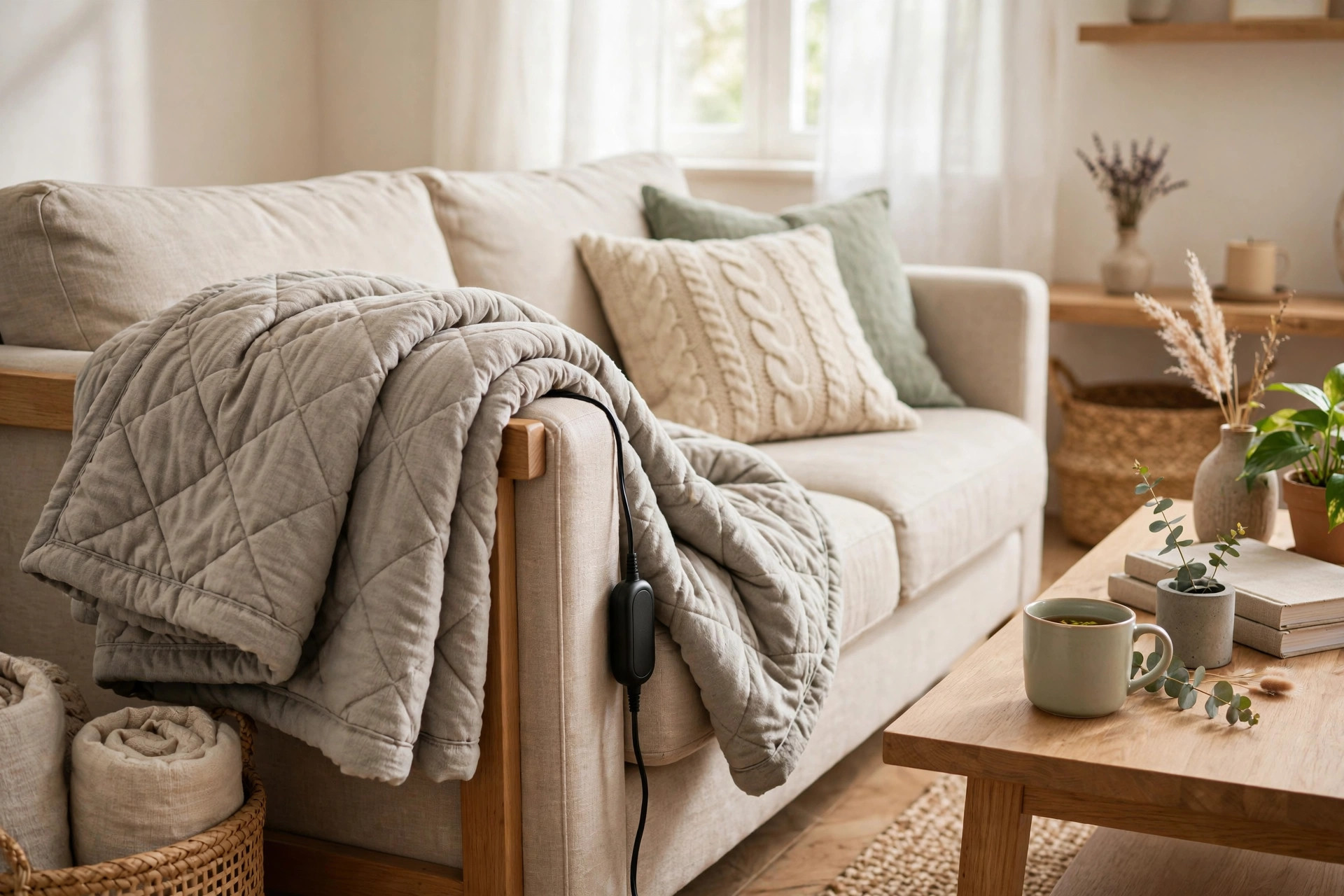
If you've ever wondered "does heat help sore muscles?" — or debated whether a heated vest for muscle pain is a genuine remedy or just a cozy placebo — you're asking exactly the right question. Heat feels wonderful on aching muscles, but feeling good and doing good aren't always the same thing. So let's look honestly at what heat therapy for muscle pain actually does, when it helps, and when you're better off reaching for something else entirely.
How heat therapy works
When you warm up a sore muscle, a few things happen at once. The heat gently raises the temperature of the skin and the tissue underneath, which encourages the blood vessels in the area to widen. More blood flow means more oxygen and nutrients arriving at tired tissue — and that fresh circulation is a big part of why a warmed muscle feels looser and less achy.
Heat also works on your nervous system. Warmth stimulates temperature receptors in your skin, which can effectively "turn down the volume" on pain signals travelling along the same nerve pathways — a bit like how rubbing a bumped elbow makes it hurt less. And perhaps most simply, warmth helps tight muscles relax. When you're in pain, the muscles around the sore spot tend to guard and tense up, which creates a frustrating cycle: tension leads to soreness, soreness leads to more tension. Gentle heat can help break that loop.
None of this is magic, and heat doesn't repair damaged tissue on its own. But for the everyday aches most of us deal with, these effects are real and meaningful — which is why heat has been a go-to comfort for sore bodies for about as long as humans have had warm water and sunny spots to sit in.
When heat helps
Everyday muscle tension. This is the classic case: a stiff neck after a long day at a desk, tight shoulders from hunching over a phone, or an achy lower back after a weekend of gardening. When the problem is muscles that have been held tense for too long, heat is one of the most pleasant and practical ways to help them let go.
Stiffness and morning creakiness. If your muscles and joints feel rusty first thing in the morning but loosen up as you move, warmth can speed that process along. A heated vest while you have your morning coffee, or a few minutes under an electric blanket before getting out of bed, can make the start of the day noticeably easier — especially in the colder months when everything seems to seize up a little more.
Chronic, ongoing aches. For persistent low-level aches — the kind that come and go with the weather, your activity level, or just the passing years — regular gentle heat is a mainstay of self-care. It won't fix whatever's causing the ache, but it can make the day-to-day experience of it much more comfortable. Many people build a short heat session into their evening routine, the same way others build in stretching.
Before activity, not after injury. Warm muscles are more pliable. Gentle heat before a walk, some gardening, or light exercise can help stiff muscles limber up — think of it as a head start on your warm-up, particularly on cold mornings when your body needs a little convincing.
When to skip the heat
Heat isn't right for every kind of pain, and using it at the wrong time can genuinely make things worse.
Fresh injuries. If you've just pulled a muscle, twisted an ankle, or taken a knock, reach for cold — not heat. In the first day or two after an injury, your body sends extra blood to the area, which causes swelling. Heat encourages even more blood flow, which can increase that swelling and the throbbing that comes with it. Cold does the opposite: it calms the area down. Give it at least 48 hours, and wait until any swelling has clearly subsided before switching to heat.
Swelling, redness, or warmth to the touch. These are signs of active inflammation. Adding heat to an already inflamed area is like adding fuel to a fire. Let the inflammation settle first.
Numbness or poor circulation. If you have reduced sensation anywhere — for instance, from diabetes-related nerve changes — be extra cautious with heated products, because you may not feel it getting too hot. The same applies if you have circulation problems. When in doubt, check with your doctor before making heated apparel part of your routine.
Broken or irritated skin. Don't apply heated wraps, pads, or vests directly over cuts, rashes, sunburn, or irritated skin.
A simple rule of thumb: heat is for tight, stiff, and achy; cold is for fresh, swollen, and sharp. And when you're unsure which one you're dealing with, that's a good moment to ask a professional rather than guess.
How to use heated vests and blankets safely
Heated apparel and electric blankets make heat therapy wonderfully convenient — warmth at the press of a button, wherever you are. But they're electrical products worn against your body, so a few safety habits are worth building.
Start low, go slow. Begin on the lowest heat setting and only turn it up if you genuinely need to. You're aiming for comfortably warm, never hot. If you catch yourself wondering whether it's too warm, it probably is — turn it down a notch.
Watch the clock. For most muscle aches, 15 to 30 minutes at a time is plenty. It's tempting to wear a heated vest all day when it's cold out — and for general warmth on a low setting that's usually fine — but for targeted muscle relief, shorter sessions work just as well and are kinder to your skin.
Check your skin. Take a peek at the skin under the heated area now and then, especially the first few times you use a new product. Any redness that doesn't fade quickly after you remove the heat means the setting was too high or the session too long.
Never sleep on a high setting. Falling asleep on a heated blanket turned up high is one of the most common ways people get low-temperature burns — the kind that develop slowly, without you noticing. If your blanket has a timer or auto-shutoff, use it. If you like drifting off warm, set it low and let the timer do its job.
Follow the care instructions. Heated vests and blankets come with specific washing and charging guidance for a reason — the heating elements and batteries last longer and stay safer when you follow it. Retire any product with frayed cords, damaged fabric, or a battery that gets unusually hot during charging.
The verdict
So — do heated vests and blankets really help sore muscles? For everyday muscle tension, stiffness, and the dull aches of an active (or desk-bound) life: yes, genuinely. Heat therapy for muscle pain works by boosting local blood flow, calming pain signals, and helping guarded muscles relax — and heated apparel delivers that therapy in about the most convenient form there is, whether you're heading out on a frosty morning walk or curled up on the sofa in the evening.
Just keep a clear picture of what heat is and isn't. It's a comfort and a helper, not a cure. It won't fix an injury, and it's the wrong tool for fresh swelling. But used at the right time, at a sensible temperature, and for sensible stretches of time, it's one of the simplest and most pleasant tools in the home-comfort toolkit — and on a cold day, few things beat it.
Frequently Asked Questions
When does heat help sore muscles?
Heat is for tight, stiff, and achy muscles: warmth helps tight muscles relax and eases the dull ache of everyday tension. It works by encouraging blood flow to the area, which is why it suits stiffness rather than fresh damage.
When should I skip heat and use cold instead?
Use cold, not heat, for fresh injuries, swelling, redness, or warmth to the touch — in the first day or two after an injury, heat encourages even more blood flow and can increase swelling. Give it at least 48 hours, and wait until any swelling has clearly subsided, before switching to heat. The rule of thumb: heat is for tight, stiff, and achy; cold is for fresh, swollen, and sharp.
How long should I use a heated vest or blanket at a time?
For most muscle aches, 15 to 30 minutes at a time is plenty. Start on the lowest heat setting and only turn it up if you genuinely need to — aim for comfortably warm, never hot.
Can I fall asleep with a heated blanket on?
Never sleep on a high setting: falling asleep on a heated blanket turned up high is one of the most common ways people get low-temperature burns, which develop slowly without you noticing. If your blanket has a timer or auto-shutoff, use it; if you like drifting off warm, set it low and let the timer do its job.
This article is for general information only and isn't medical advice — if you're dealing with persistent, severe, or unusual pain, check in with a qualified health professional.
If you're curious about adding some warmth to your routine, take a look at our heated apparel collection [collection link] — vests, wraps, and blankets designed to make the colder months a whole lot more comfortable.
