
7 Simple Daily Habits for Healthier Joints
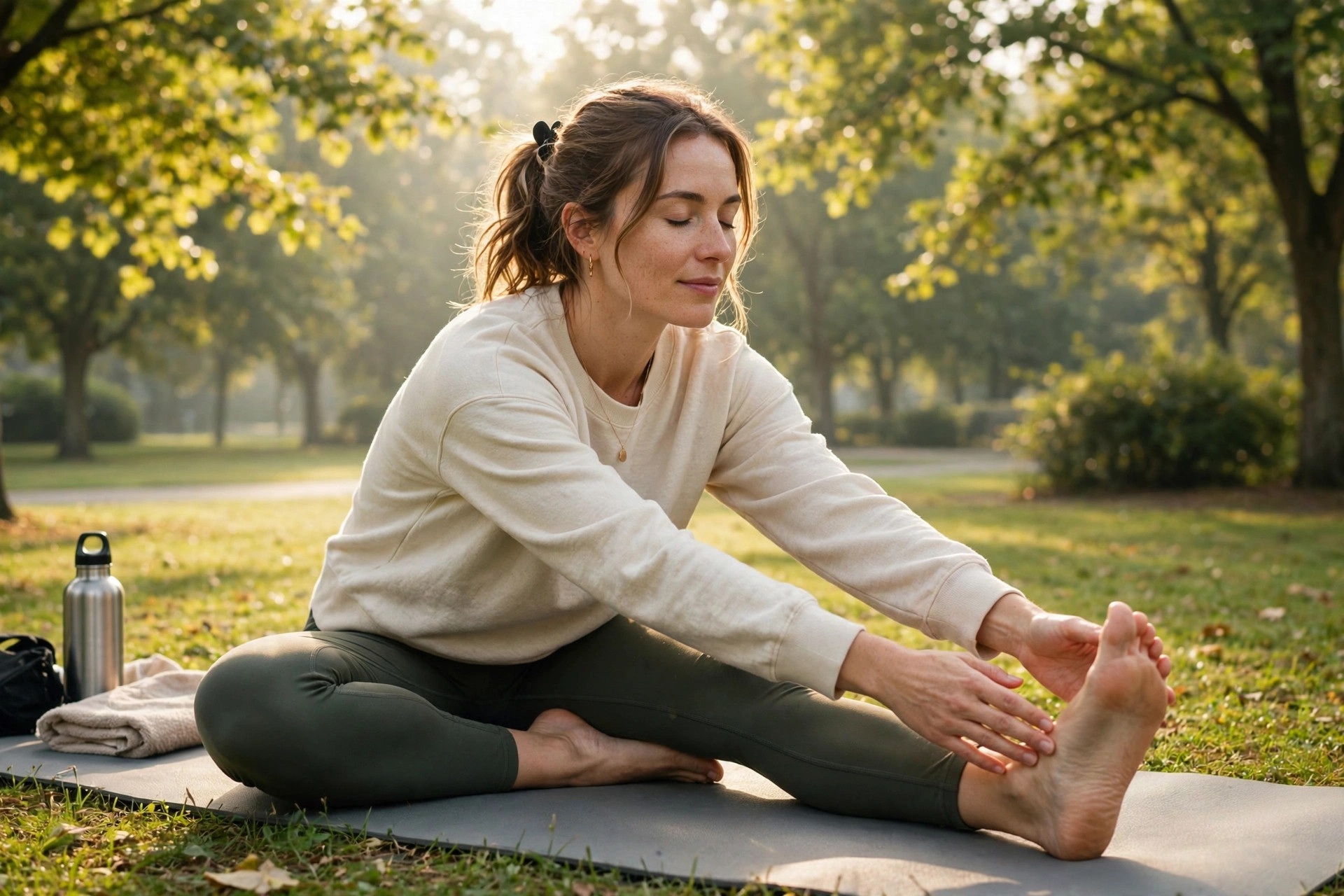
When people ask how to keep joints healthy, they usually expect a complicated answer — a special diet, an expensive supplement routine, or a punishing exercise plan. The truth about joint health is much simpler, and much kinder: your joints mostly need small, consistent care, day after day. Healthy joints aren't built in a single weekend of effort; they're looked after through ordinary habits that fit into a normal life. Here are seven of them.
Why your joints need daily care
A joint is simply where two bones meet — cushioned by cartilage and bathed in a lubricating substance called synovial fluid. Cartilage has no direct blood supply of its own, which means it relies on movement to stay nourished: every time you bend and straighten a joint, fresh fluid circulates through it. That's why physiotherapists have a saying — "motion is lotion." Gentle, regular movement is genuinely one of the best things you can do for your joints, and long periods of sitting still are one of the worst. The good news is that none of this requires athletic ability. It just requires consistency.
1. Take a short walk every day
Walking is about as joint-friendly as exercise gets. It's low-impact; it moves the hips, knees, and ankles through their natural range, and it keeps that nourishing synovial fluid circulating. You don't need to march for an hour — a relaxed 15 to 20 minutes most days is a great starting point, and you can build from there. If a particular joint feels vulnerable, a simple support brace while you walk can add a sense of stability and confidence. Choose flat, even paths over steep hills while you're building the habit.
2. Strengthen the muscles around your joints
Your muscles are your joints' best bodyguards. Strong thigh muscles take load off the knees; strong glutes protect the hips and lower back; a strong core steadies everything in between. You don't need a gym for this — bodyweight exercises done a few times a week make a real difference. Try sit-to-stands from a sturdy chair, wall push-ups, and gentle calf raises. Start with a small number of repetitions and add more gradually. If an exercise causes sharp pain, stop — mild muscle effort is the goal, not punishment.
3. Stretch gently, morning or evening
Stiff muscles pull joints into awkward positions, so keeping flexible helps your joints sit and move the way they're designed to. A few minutes of gentle stretching — calves, hamstrings, hip flexors, shoulders — either first thing in the morning or as a wind-down in the evening can ease that creaky feeling. Stretch to the point of mild tension, never pain, and hold each stretch for 20 to 30 seconds while breathing normally. Over time, this small ritual keeps your range of motion where it should be.
4. Mind your posture through the day
Joints wear best when they're well aligned. When you stand, think tall: ears over shoulders, shoulders over hips, weight spread evenly across both feet. When you sit, keep your feet flat on the floor and avoid perching on the edge of your chair or crossing your legs for hours on end. If you work at a desk, the same screen-height and seating basics that protect your neck protect your spine and hips too. You don't need perfect posture every minute — just catch yourself and reset a few times a day.
5. Keep your weight in a comfortable range
This one isn't about appearance; it's simple physics. Your knees carry several times your body weight with every step you take, so even modest extra weight meaningfully increases the load on them, while carrying less eases it. You don't need dramatic changes — steady, sustainable habits around food and daily movement tend to matter far more than any crash approach. If weight is something you want to work on, your doctor can help you find a realistic plan.
6. Warm up before activity and ease off after
Cold, stiff joints don't love being thrown straight into effort. Before a walk, a workout, gardening, or any physical task, spend five minutes warming up: march on the spot, swing your arms gently, do some easy leg swings. Afterwards, slow down gradually rather than stopping abruptly, and finish with a few gentle stretches. This simple bookending gives your joints time to prepare and recover, which is especially kind to knees, hips, and shoulders on colder mornings.
7. Rest well and support joints when they need it
Care isn't only about activity — recovery counts too. Aim for enough sleep, since that's when your body's repair processes do their heaviest work, and give yourself genuine rest days between harder efforts rather than pushing through fatigue. And on days when a joint feels wobbly or tired, there's no shame in giving it backup: a knee, ankle, or wrist support during activity can add stability and let you keep moving with confidence while the joint recovers. Think of supports as training wheels, not crutches — helpful while you need them.
When to see a professional
Daily habits go a long way, but they aren't a substitute for proper care when something's wrong. See a doctor or physiotherapist if you notice swelling, redness, or warmth around a joint; if a joint locks, clicks painfully, or gives way; if pain follows an injury; or if stiffness or aching persists for more than a couple of weeks despite these habits. Getting an expert opinion early almost always leads to a simpler fix than waiting.
The bottom line
Keeping your joints healthy doesn't require an overhaul of your life — it asks for small, repeatable kindnesses: a daily walk, a few minutes of stretching, decent posture, good sleep, and support when a joint asks for it. Start with whichever habit feels easiest and let the rest follow. Your future self — the one still hiking, gardening, and getting up from the floor without a sound effect — will thank you.
Frequently Asked Questions
What daily habits actually help my joints?
The article's seven habits are: a short walk every day, strengthening the muscles around your joints, gentle stretching morning or evening, minding your posture through the day, keeping your weight in a comfortable range, warming up before activity and easing off after, and resting well and supporting joints when they need it.
Does walking really help joints, or does it wear them out?
Daily movement is the first habit in the article: joints need regular, gentle use to stay healthy, and a short daily walk is the simplest way to give them that movement without overloading them.
Should I stretch every day?
Yes — gentle stretching, morning or evening, is one of the seven habits. Keep it gentle and pain-free rather than forcing a stretch.
This article is for general information only and isn't medical advice. If you have ongoing joint pain, check in with a qualified health professional.
If you'd like a little extra backing for hardworking joints, browse our braces and supports collection — https://www.cherishyourhealth.com/categories/view/id/255
